
Most Arabic courses teach a language nobody speaks at home
Textbooks teach Modern Standard Arabic. People in Amman, Irbid and Aqaba speak Jordanian. If you want to follow a family dinner, a taxi ride or a phone call, you need the dialect, and good materials for it are hard to find.
Dialogue the way people say it, not textbook Arabic with a few dialect words added.
Every word carries its short vowels, so you can pronounce it correctly from the first read. Cover them later when you are ready.
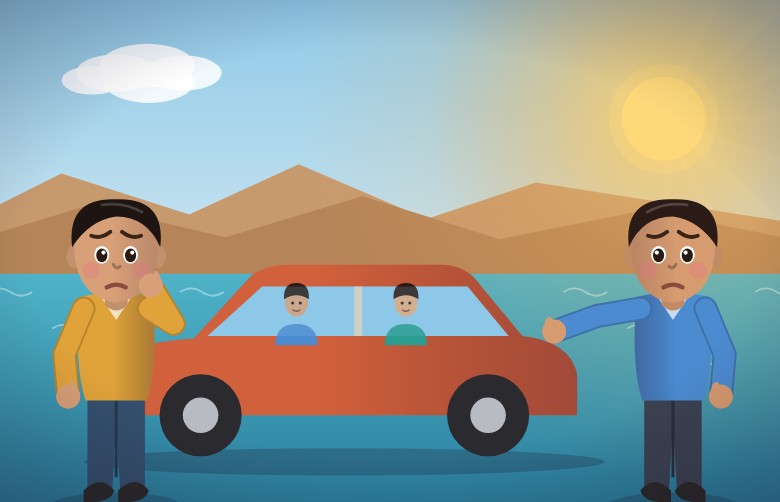
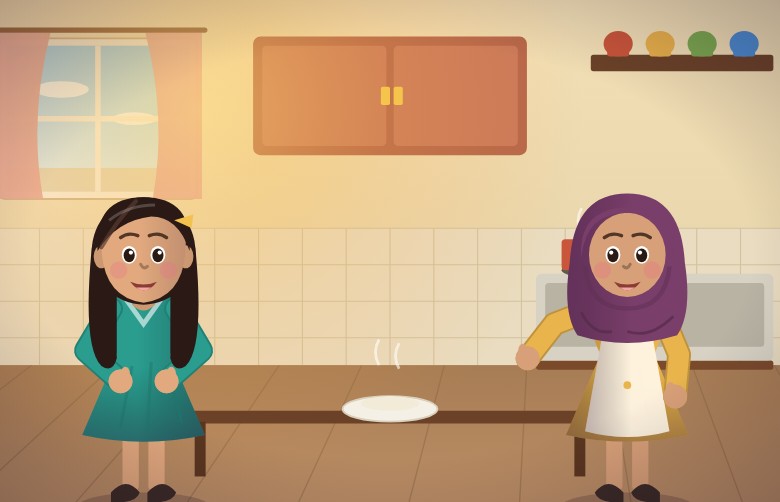
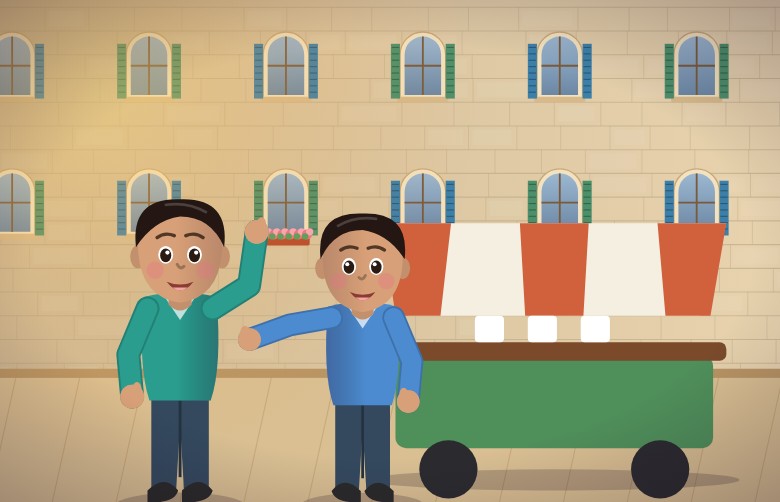
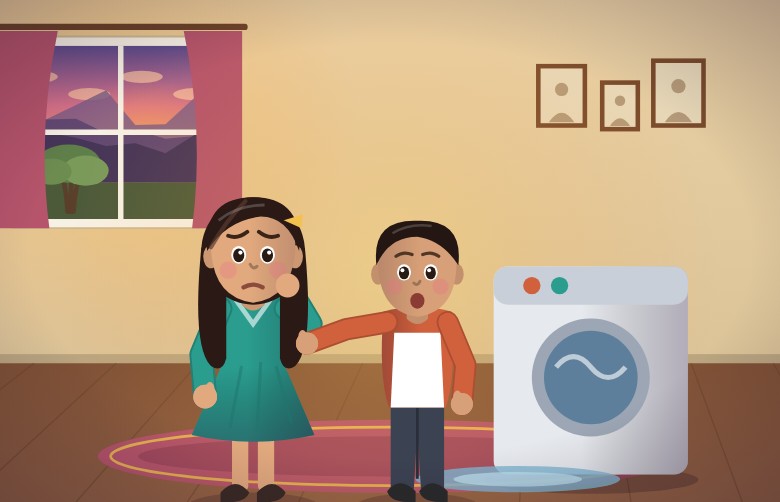
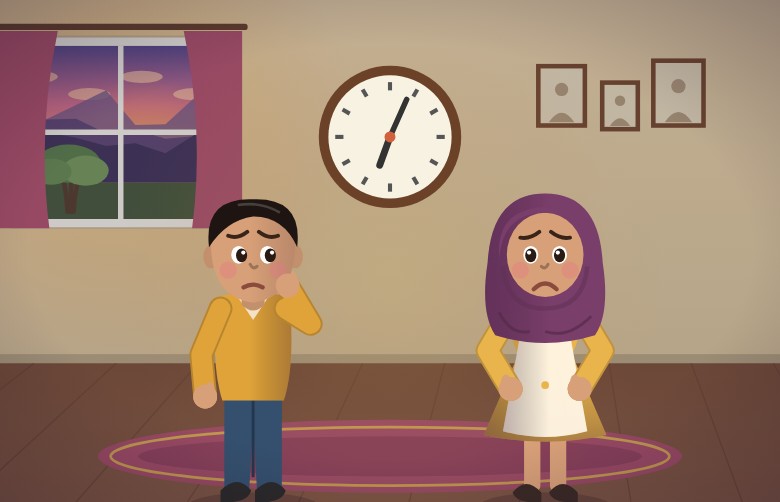
Small, human situations: a lost key, a birthday surprise, a broken washing machine, a grandfather's letter.
Grammar in a deliberate order, so each story builds on the last
The stories are not a grab-bag of topics. Each one teaches about four grammar points, reuses everything from the stories before it, and adds a little more. By the time you reach the harder structures, you have already met the easier ones many times.
First sentences
Stories 1 to 5- No verb “to be”, and pronouns
- This and that, the article
- The present tense with بِـ
- Possession with عِنْدي
- Asking for things with بِدّي
- Numbers, prices and directions
Talking about time
Stories 6 to 13- We, you (plural) and they
- Possessive endings and the construct
- The past tense, and saying “didn’t”
- The future with رَح
- Why and because, in order to
- Must, can and advice
Telling stories
Stories 14 to 24- Past habits and ongoing actions
- Comparing things
- Conditions with إِذا and لَو
- The root system and verb forms
- Commands and the passive
- Polite requests and complaints
Arguing and explaining
Stories 25 to 36- Reporting what someone said
- Connectors: even though, so that
- Wishes and the unreal past
- Hedging, agreeing, disagreeing
- Causatives and the formal passive
- Formal Arabic on the news, in letters
How each story works
Every story follows the same routine, so you always know what to do next.
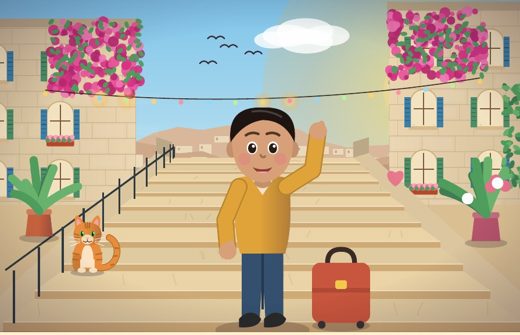
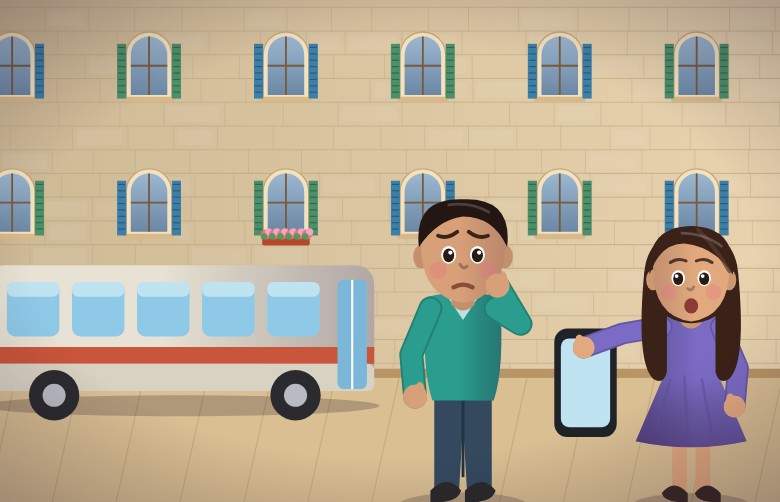
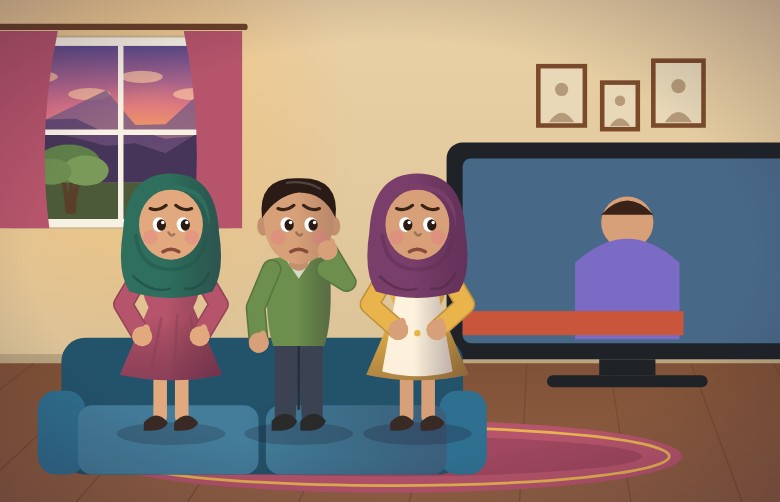
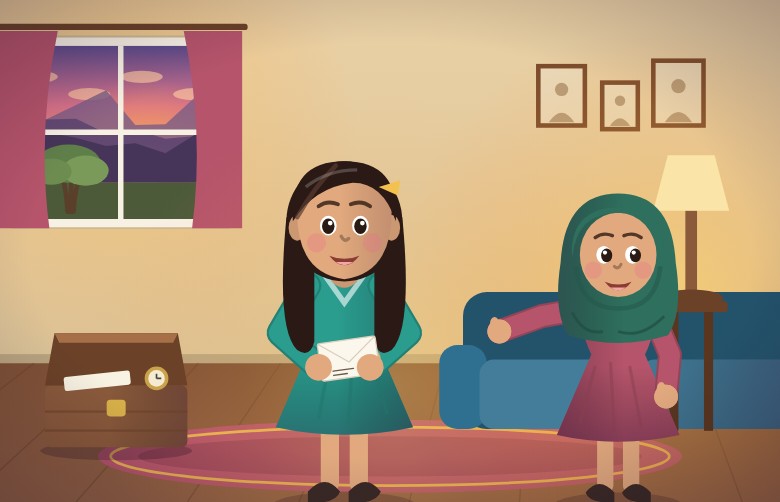
Study the cover and the scenes. Guess what will happen.
Arabic with full vowels, English under every line.
Tap any sentence to hear it, or play the whole page. Download the audio to keep.
Worksheet with questions, flashcards, and an Anki deck for spaced review.
Four levels, one steady climb
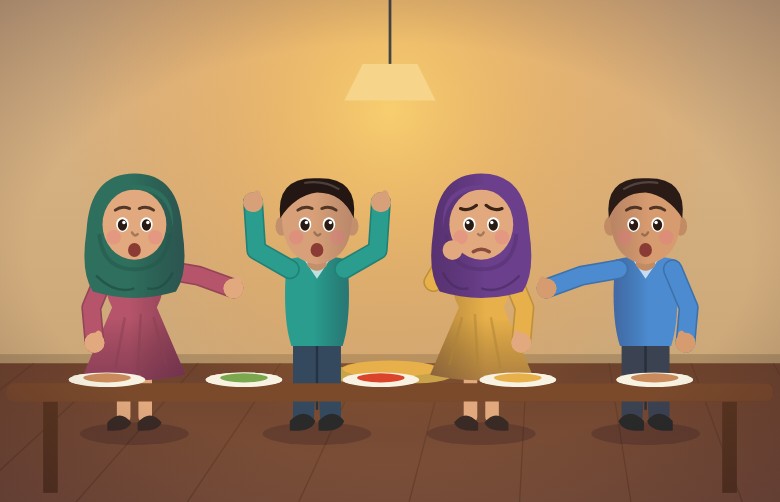
Start with a few lines about meeting a neighbour. Finish by following a family argument at dinner and a letter written in careful Arabic.
Built for self-learners and for classrooms
If you are learning on your own
- Learn the dialect you will actually hear, from beginner to upper intermediate.
- Hear every sentence at a pace matched to your level.
- Review vocabulary with ready-made flashcards, in print or in Anki.
If you teach
- A 15-page handbook with a routine, pacing options and a teacher guide.
- A worksheet with answers for every story.
- A grammar guide, plus a grammar focus in each story.
Everything you get
With every story
- The illustrated story as a printable PDF
- A listening page with sentence-by-sentence audio
- A worksheet with questions and answers
- Flashcards as a PDF and as an Anki file
With the series
- The Learner and Teacher Handbook
- The Grammatical Guide
- Core 100: the shared words that Jordanian and Standard Arabic have in common
- One Anki deck covering all 36 stories
Try Story 1 before you buy
The full first story: the illustrated PDF, the listening page with audio, the worksheet and the flashcards. No sign-up.
All 36 stories, yours to keep
- Instant download as a single zip. Unzip it and open index.html.
- Opens in any modern web browser, with no internet needed once unzipped.
- No subscription and no account.
Questions
Which Arabic is this?
Spoken Jordanian Arabic, written with full vowels so you can say each word as people really say it. Each story's text is the dialect, not Modern Standard Arabic.
Do I need to read Arabic script already?
Stories 1 to 5 are written for beginners and every line has English underneath. Learning the letters alongside will help, but you can start with the audio and the English.
How does the audio work?
Each story has a listening page. Tap a sentence to hear it, or play a whole page. You can download the audio files to keep.
Do I need an internet connection?
No. After you unzip the folder, everything works offline in your browser.
Can I print the stories?
Yes. The story, the worksheet and the flashcards are PDFs designed to print.